Characteristics of Boutique Hotels
As travelers look for more personalized and unique experiences, boutique hotels have captured their interest. These establishments provide an intimate, customized experience that stands out from large hotel chains. This blog post will take you through everything you need to know about boutique hotels. From their defining characteristics to their history, discover the appeal of these charming accommodations. Learn about their distinctions from traditional hotels, why they attract travelers, and see examples of popular boutique hotels worldwide. By the end of this post, you’ll have a comprehensive understanding of what makes boutique hotels truly special.
What are boutique hotels? Discover everything you need to know
What is a boutique hotel?
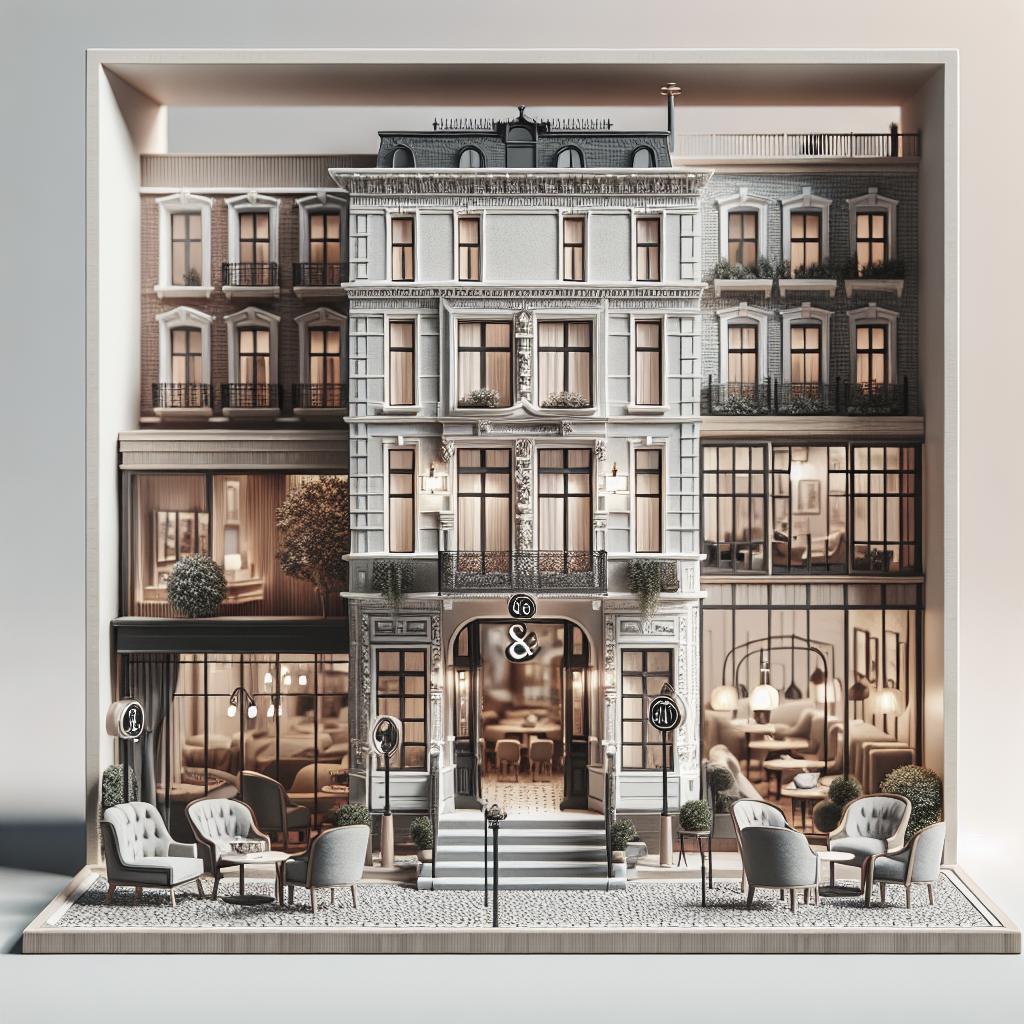
Boutique hotels burst onto the hospitality scene with their unique blend of luxury, style, and personalized service. Typically, these hotels are smaller in size and are characterized by their bespoke décor and personalized service. Unlike large hotel chains, boutique hotels emphasize an intimate atmosphere and focus on providing individualized attention to each guest.
The term “boutique hotel” first appeared in the 1980s and has since come to define independent hotels that offer distinctive charm and a stylish experience. They contrast sharply with standard hotels by emphasizing uniqueness and flair in design, location, and service.
What makes a hotel boutique?
What sets boutique hotels apart is not just their size, but the philosophy behind their service and design. Generally, these hotels have a limited number of rooms — often fewer than 100. This minimalism allows boutique hotels to create a more personalized, customized experience that large hotel chains cannot replicate.
Moreover, boutique hotels usually feature design elements that reflect the local culture, history, and surroundings. They take pride in offering services that are both exclusive and customized, paying attention to the specific needs and preferences of their guests.
Characteristics of a boutique hotel
Boutique hotels exhibit distinctive traits that include unique design, a sense of place, and high-end, personalized service. Their small scale allows for creativity in architectural style and interior decoration, often resulting in a plush, cozy environment. Guests are afforded luxurious amenities, such as high-quality linens, bespoke toiletries, and access to exclusive services.
These hotels frequently showcase local art and culture, merging the neighborhood’s history with contemporary styling. This creates a unique ambiance that appeals to guests looking for an inspiring and different experience from what large hotels offer.
The history of boutique hotels
Clarion Bedford Hotel
The concept of boutique hotels can be traced back to the opening of the Clarion Bedford Hotel in San Francisco in 1981. Owners sought to redefine the hotel experience by creating a space that felt more like a home than a impersonal hotel room. The hotel’s successful blend of style and comfort began to resonate with travelers seeking something more personal and distinctive.
Morgans Hotel
Further cementing the boutique hotel movement, Morgans Hotel in Manhattan opened in 1984, setting new standards in the industry. Owned by Ian Schrager, it gave the term ’boutique’ its iconic place in hospitality by delivering a chic, less commoditized lodging experience that coveted individuality over the industrial atmosphere of conventional hotels.
How do boutique hotels differ from other hotels?
Location
Boutique hotels are often found in fashionable urban areas, lively neighborhoods, or even tucked away in picturesque rural settings, offering guests genuinely local experiences. Their locations are carefully selected to enhance the hotel’s unique narrative and appeal.
Size
Size is a vital component that sets boutique hotels apart. They are typically smaller than traditional hotels, with 10 to 100 rooms, allowing for a more intimate and tailored guest experience. This smaller size facilitates connections between staff and patrons, offering a hospitality experience that feels more personal and customized.
Services
Boutique hotels pride themselves on offering bespoke services. This could mean an on-demand personal concierge, curated local experiences, or personalized welcome packages that reflect the guest’s preferential needs. This level of customization ensures each stay is memorable and uniquely tailored.
Decor and design
The aesthetics of boutique hotels set them apart from their more conventional counterparts. Each hotel is usually uniquely designed to avoid repetition found in larger chains. Interiors often include locally inspired themes, artisan-crafted goods, and the integration of new technology that enhances the guest’s stay without overshadowing the style and elegance of the space.
Why are boutique hotels appealing to travelers?
Travelers are constantly on the lookout for fresh, more immersive travel experiences that cater to individual tastes and preferences. Boutique hotels promise a unique and personal journey with a strong sense of place and character. Guests are treated to meticulous attention to detail that makes their stay both memorable and exclusive.
Boutique hotels appeal to guests who value originality and wish to escape the homogeneity that often characterizes larger hotel chains. For travelers seeking immersion in the local culture without sacrificing luxury or comfort, boutique hotels deliver on all fronts.
Examples of popular boutique hotels
A perfect illustration of the boutique hotel magic is The NoMad Hotel in New York City, a sophisticated destination known for its elegant decor and attention to detail, providing a chic city retreat. In Europe, The Hoxton in Amsterdam offers visitors a vibrant mix of modern design and historic charm, nestled along the scenic canals.
Beyond major cities, travelers can enjoy boutique experiences like the Coworth Park in the English countryside, where contemporary luxury meets pastoral tranquility, offering guests stylish accommodations paired with expansive gardens and meadows.
Frequently asked questions about boutique hotels
Are boutique hotels better than “regular” hotels?
This depends largely on personal preference. Boutique hotels cater to those looking for a unique, intimate experience with personalized service. Regular hotels, especially chains, are well-suited for patrons who prioritize consistency and familiarity. Each type of accommodation has its strengths, tailored to different guest priorities.
Are boutique hotels more expensive?
While boutique hotels offer exclusive experiences, they are not always more expensive than standard hotel chains. The cost can depend on the location, level of services, and the uniqueness of the hotel. It’s commonly assumed that because boutique hotels offer more luxury and personalization, their prices might be higher, but this isn’t universally true.
Why are boutique hotels successful?
Boutique hotels thrive due to their ability to offer a personal, unique experience that resonates with guests seeking an alternative to the standardized hotel model. Their focus on creativity, individualized service, and connection to the local area appeals to modern travelers.
What’s so unique about a boutique hotel?
The most defining feature of boutique hotels is their distinctiveness. Unlike conventional hotels, boutique properties provide a culturally rich experience often dictated by their individualistic interior design, personalized guest services, and local influences present in both the aesthetics and the offered amenities.
How should you market a boutique hotel?
Marketing a boutique hotel requires emphasizing its unique selling propositions: the individualized experience, the distinctive design, top-tier services, and cultural relevance. Engaging storytelling about the hotel’s origins, behind-the-scenes content, and strategic use of social media platforms can capture the attention of desired audiences.
Now you know everything about boutique hotels!
Whether you’re looking for a one-of-a-kind luxury experience, an intimate atmosphere, or a combination of both, boutique hotels have something special to offer. With their unique characteristics, rich histories, and growing popularity, they provide a valuable alternative to standard hospitality options.
More Reading
For those interested in learning more about luxury accommodations and unique travel experiences, explore articles on experiential travel, the rise of sustainable tourism, and how technology is enhancing guest experiences in the hospitality industry.
Final Thoughts
| Aspect | Description |
|---|---|
| Definition | Boutique hotels are small, uniquely designed hotels offering personalized service and a unique experience. |
| History | Originating in the 1980s, notably with Clarion Bedford and Morgans Hotels, focusing on style and personal service. |
| Unique Characteristics | Small size, luxurious decor, personalized services, and a strong sense of place and style. |
| Comparison to Other Hotels | Differ by location, size, decor, and the level of personalized services offered. |
| Traveler Appeal | Appeal to those seeking a unique, immersive travel experience with local cultural connections. |
| Cost | Prices vary, and while often seen as luxurious, they’re not always pricier than standard hotels. |