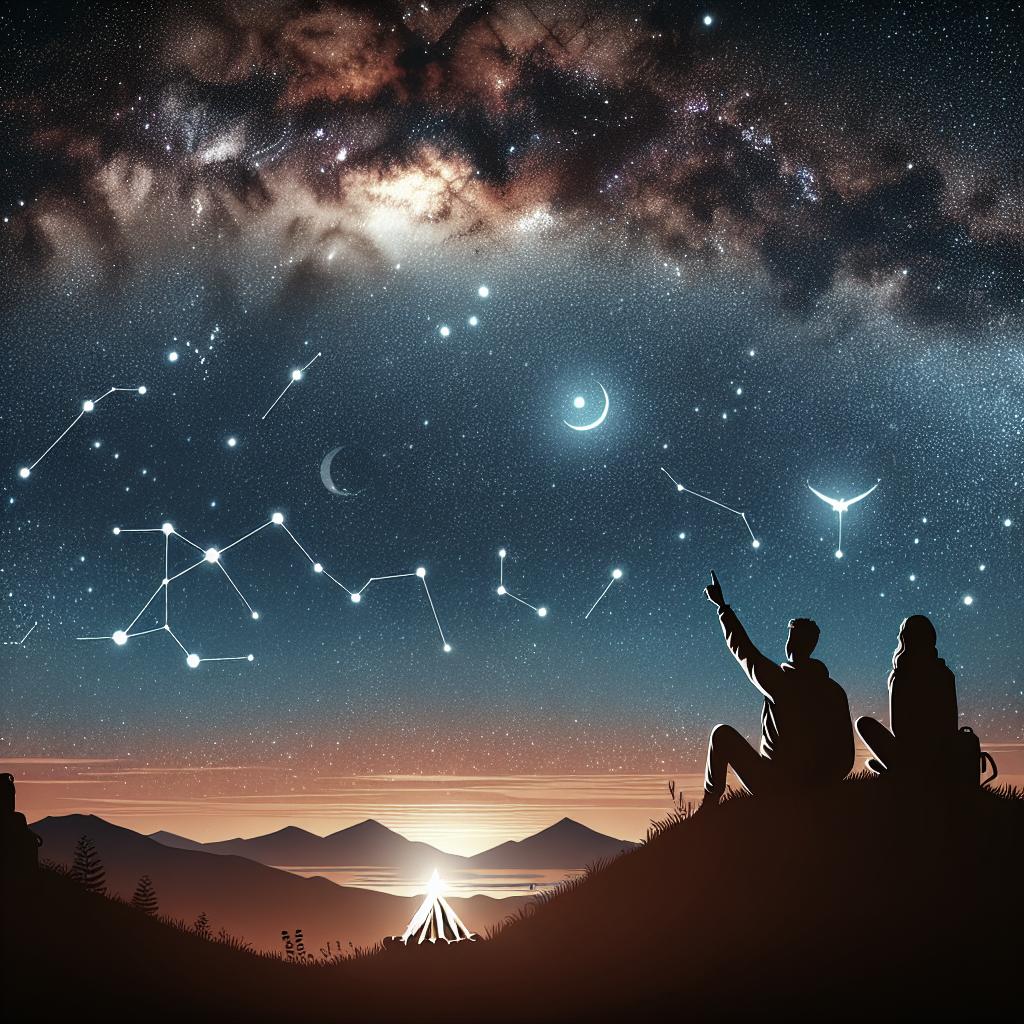
The Best Destinations for Stargazing
In an age awash with artificial lights, finding places to truly witness the majestic night sky is a gift. Stargazing offers a mesmerizing escape and intrigue, connecting us to the universe. Here’s your guide to some of the best places around the world for stargazing. Whether you dream of traversing the deserts of Chile or exploring under the ancient skies of Sweden, each destination offers a unique celestial experience. Additionally, this post provides practical tips for stargazing from the comfort of your backyard. So grab your telescope, and let’s embark on a cosmic journey through these enchanting locations that will fill your gaze with wonder and your heart with awe.
The Atacama Desert, Chile
Renowned for its bone-dry climate and high altitude, the Atacama Desert offers one of the clearest skies on the planet. Some parts haven’t seen significant rainfall for centuries, making it an astronomer’s paradise. The remote location minimizes light pollution, presenting an ideal setting for spotting constellations, nebulas, and planets.
Home to some of the world’s most significant observatories like the Paranal and ALMA, the Atacama Desert is a real draw for both professional astronomers and tourists. Guided tours are available where you can learn more about the vast cosmos as you gaze through powerful telescopes. This awe-inspiring destination allows both amateur stargazers and seasoned sky watchers alike to marvel at the heavens above.
Natural Bridges National Monument, Utah, United States
Natural Bridges National Monument is recognized as the first International Dark Sky Park, a testament to its pristine night sky. The park’s remote setting in southeastern Utah means starlight is unobstructed by city light. Here, visitors can enjoy a panoramic view of the Milky Way and spot numerous meteor showers throughout the year.
The park offers stargazing programs led by knowledgeable rangers who guide you through the constellations and share insights into the cosmos. Whether visiting during a new moon or venturing on your own with a telescope, the quiet and serene environment of Natural Bridges is an unforgettable stargazing sanctuary.
Iriomote-Ishigaki National Park, Japan
Iriomote-Ishigaki National Park in Okinawa, Japan, is characterized by its lush forests, tropical atmosphere, and a sky filled with stars. Notably, it is one of Japan’s first places designated as a Dark Sky Park, ensuring minimal light pollution and a crystal-clear view of the night sky.
Visitors can relish in tea under the stars at local stargazing cafes or take part in guided observation tours to learn more about the starry spectacle above. This unique destination combines natural beauty with celestial wonder, making it a must-visit for those passionate about astronomy in Asia.
Kruger National Park, South Africa
Known for its rich wildlife and sprawling savannahs, Kruger National Park also offers splendid night skies. Away from urban centers, Kruger gives travelers a chance to observe the southern hemisphere’s distinct constellations and other celestial phenomena.
Night drives and guided walking safaris provide an opportunity to explore the stars alongside the sounds of nature. This unique stargazing experience, set against a backdrop of African scenery and wildlife, forms an unforgettable part of your safari adventure.
Mauna Kea, Hawaii, United States
Mauna Kea is home to some of the world’s most advanced telescopes, located at one of the highest altitudes worldwide. This dormant volcano’s summit offers peerless views of the night sky, free from light pollution, at an altitude where the atmosphere is thin and clear.
Stargazing tours lead you up the mountain, giving you access to powerful telescopes and experienced guides who will introduce you to the night sky’s wonders. Whether you’re interested in seeing the rings of Saturn or faraway galaxies, Mauna Kea is a heavenly experience for astronomy lovers.
These Stargazing Tips Will Help You See Stars and Constellations From Your Backyard
For those unable to travel, turning your backyard into a stargazing haven is entirely possible. First, it’s essential to minimize light pollution by turning off outdoor and nearby indoor lights. Allow your eyes to adjust to the darkness for optimal star observation.
Avoid nights when the moon is especially bright, as it can wash out other celestial sights. Utilize apps or star charts to help identify key constellations and planets. Binoculars can be a handy tool for enhancing the visibility of celestial objects without the need for a telescope.
Pic du Midi, France
Pic du Midi, located in the French Pyrenees, is famed for its observatory and clear, starry skies. The observatory offers public visits where you can observe stars and planets through high-quality telescopes.
The site is particularly noted for its breathtaking view of the Milky Way. Overnight stays allow a longer exploration of the night sky, while the observatory’s museum provides education about the cosmos, perfect for budding astrologers and tourists alike.
Kiruna, Sweden
In the far north of Sweden, Kiruna is one of the best places globally to view the aurora borealis, or Northern Lights. The long, dark winter nights are perfect for stargazing, with clear, icy skies providing a crisp canvas for celestial viewing.
Beyond the auroras, Kiruna offers a serene environment to observe the constellations. Guided tours into the wilderness provide the optimal settings for a peaceful night under the stars, making it a popular spot for tourists seeking both adventure and relaxation.
New Mexico Dark Skies Trail, United States
The New Mexico Dark Skies Trail is a unique blend of culture, history, and astronomy. Spanning multiple locations, including the Cosmic Campground International Dark Sky Sanctuary, the trail offers unparalleled stargazing opportunities.
The state’s vast landscapes and minimal light pollution allow every visitor to experience dazzling night skies at various points along the trail. From state parks to observatories, stargazers can indulge in the beauty of the night while learning about Native American history and astronomy.
La Fortuna, Costa Rica
Situated near Arenal Volcano, La Fortuna provides a pleasant blend of tropical landscapes and stargazing. Clear night skies offer a perfect view of the Southern Hemisphere’s constellations, enriched by the natural beauty of the region.
The area’s hot springs and eco-tours offer unique opportunities to appreciate the stars while immersing in Costa Rica’s natural wonder. Travelers can also enjoy guided stargazing tours, allowing a deeper appreciation of the night sky’s splendor.
Los Angeles, California, United States
Despite its bustling urban life, Los Angeles boasts several spots for stargazing. The Griffith Observatory, located atop the hills, offers public telescopes and a strong focus on space education, drawing astronomers from all over.
For those willing to drive a bit farther, the nearby Angeles National Forest provides a darker, more natural setting to enjoy the stars. This contrast of city life and cosmic exploration makes LA a unique and accessible destination for stargazers.
Summary of Main Points
| Destination | Highlight |
|---|---|
| The Atacama Desert, Chile | Crystal-clear skies, major observatories. |
| Natural Bridges National Monument, Utah, United States | First International Dark Sky Park, ranger-led programs. |
| Iriomote-Ishigaki National Park, Japan | Tropical stargazing, dark sky park. |
| Kruger National Park, South Africa | Safari-style stargazing, southern constellations. |
| Mauna Kea, Hawaii, United States | High-altitude observatories, clear atmosphere. |
| Pic du Midi, France | Observatory with public access, view of Milky Way. |
| Kiruna, Sweden | Aurora Borealis, clear northern skies. |
| New Mexico Dark Skies Trail, United States | Multiple stargazing sites, cultural insights. |
| La Fortuna, Costa Rica | Tropical constellations, eco-friendly tours. |
| Los Angeles, California, United States | Urban astronomy, Griffith Observatory. |